How to Start Geocaching: A Beginner's Guide to the Hunt
- Set off
- Length
- 4 min read
- Number
- 39
Geocaching is a treasure hunt played outdoors. Players hide small containers in public places and publish the coordinates; others use a phone or GPS unit to track them down, sign the logbook and return the container exactly where it was. To begin, all you need is a free account in the official geocaching app, a charged phone and an hour outside.
How the game works
Every cache has a listing with its coordinates, a short description, difficulty and terrain ratings and, often, a hint. The app leads you toward the spot, but phone GPS is only accurate to within several meters, so the final stretch is pure searching. Inside the container is a paper log to sign and, in larger caches, small items to swap.
The trading rule is simple: if you take something, leave something of equal or greater value. Many players just sign the log and move on.
Finding your first cache
- Install the official app and set up a free account.
- Open the map and choose a nearby traditional cache with low difficulty and terrain ratings.
- Read the description and the latest logs. If the last few visitors could not find it, pick another.
- Walk toward the coordinates. Once you are close, put the phone away and look for things slightly out of place: a loose stone, an odd bolt, a fence-post cap that does not quite match.
- Sign the log with your player name and the date.
- Close the container and put it back exactly as you found it, hidden just as well.
- Record the find in the app with a short note about the hide.
Cache types you will meet
| Type | What it involves |
|---|---|
| Traditional | A container at the posted coordinates. The best place to start. |
| Multi-cache | Two or more stages, each giving a clue to the next location. |
| Mystery or puzzle | A puzzle to solve at home before you can work out the real coordinates. |
| EarthCache | No container; you answer questions about a geological feature on site. |
| Letterbox hybrid | A mix of geocaching and letterboxing, often with a rubber stamp inside. |
| Event | A meet-up of local players, sometimes combined with a litter pick. |
Difficulty and terrain ratings
Each listing carries two ratings on a scale of one to five. Difficulty describes how hard the cache is to find or solve. Terrain describes how hard it is to reach, from flat, accessible paths at the low end to climbing gear or a boat at the top. Stay near the bottom of both scales for your first outings and work upward as your eye improves.
What to bring
- A charged phone and a small power bank
- A pen, because tiny logbooks rarely come with one
- Small trade items if you want to swap, such as badges or little toys (nothing edible, sharp or valuable)
- A pocket flashlight for shady hiding places
- Gloves and a bag for any litter you collect on the way
- Water and footwear that suit the terrain rating
Etiquette and safety
- Stay discreet. Non-players are nicknamed muggles. Searching quietly keeps caches from being moved or damaged.
- Respect the place. Do not dig, snap branches or pull stones out of walls or habitats.
- Follow access rules. Keep off private property and out of closed areas, even if the arrow seems to point there.
- Look before you reach. Shine a light into crevices first; insects and sharp edges are common.
- Share your plans before longer hikes, and keep an eye on the time and the light.
Words you will see in logs
- DNF: did not find.
- FTF: first to find a newly published cache.
- TFTC: thanks for the cache.
- Trackable: a tagged item that travels from cache to cache; move it on rather than keeping it.
- CITO: cache in, trash out, the habit of collecting litter while you search.
Pairing geocaching with other outings
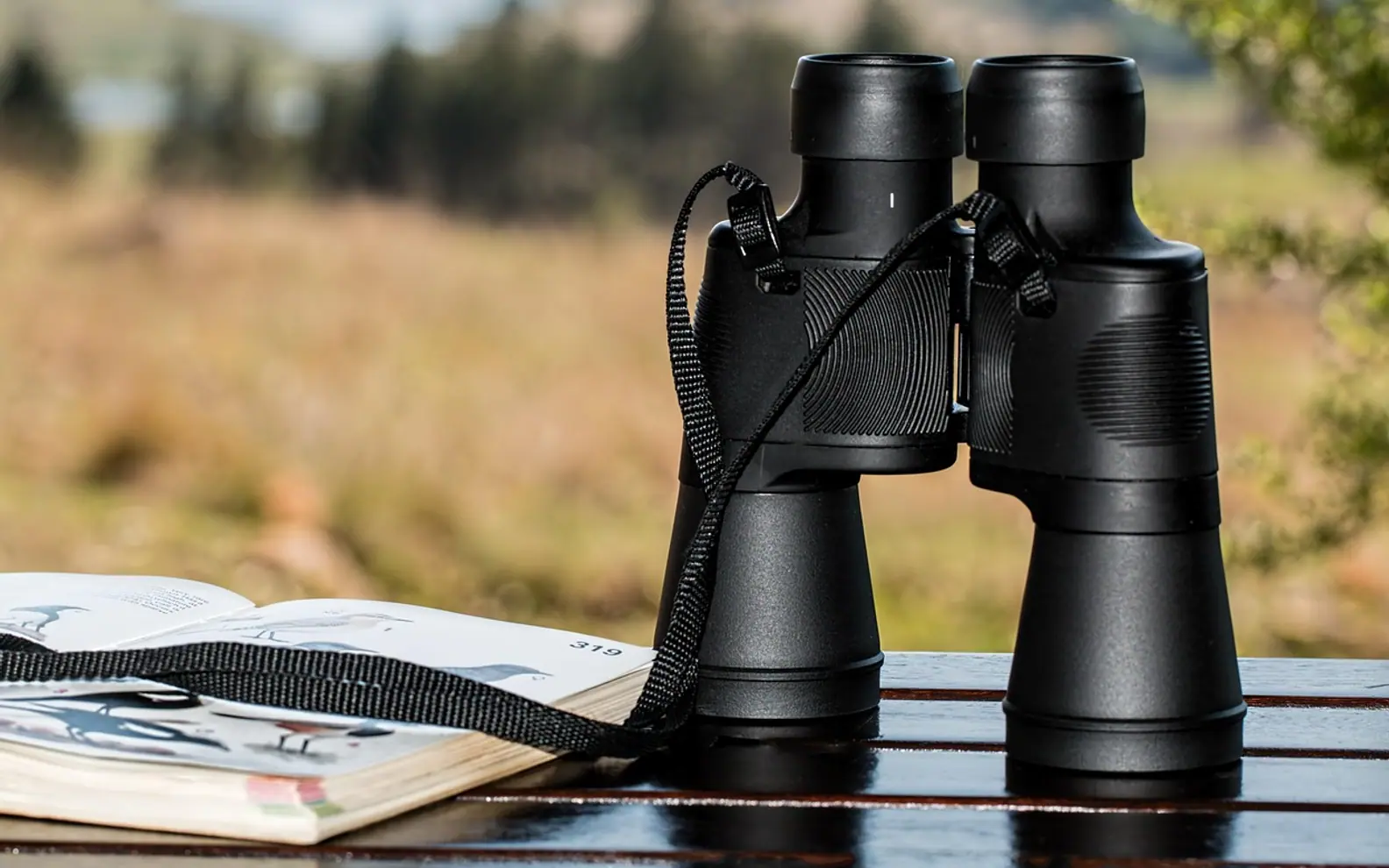
Caches are often placed along footpaths and cycle routes, so one day out can serve two hobbies. Paths built on old rail lines are popular hiding grounds, and our guide to rail trails explains why they make such easygoing routes. Many caches sit near ponds and hedgerows too, where binoculars and the basics from birdwatching for beginners turn a long search into a pleasant wait. On longer routes, an overnight stop planned with bike camping for beginners lets you reach caches far from any parking lot.
Questions about geocaching
Does it cost anything?
A basic account is free and enough to find plenty of nearby caches. A paid membership opens up more cache types and features, but you do not need it to get started.
Can I hide my own cache?
Yes, once you have found a fair number and have a feel for what makes a good hide. Listings are checked by volunteer reviewers against placement guidelines, which include permission from the landowner.
Is it suitable for children?
Very. Choose larger, easy traditional caches with trade items, and let the children do the final search themselves.
Keeping lists useful
How to make a checklist you will actually use
A list only helps if it is short enough to read and close enough to grab.
Keep it near the job
Tape the ride check inside the garage door and the movie list beside the remote.
Fewer lines
If a list runs past a dozen items, split it into two smaller ones.
Verbs first
Start each line with an action, such as squeeze, test or pack, so it reads as a task.
Review each season
Lights matter more in winter and sunscreen more in summer, so update the list when the clocks change.
Topic by topic
Lifestyle
- IVG Pro Pods: A Close Look at Flavor Accuracy, Convenience, and Everyday Reliability
- Smart, Clean, On Schedule: Container Service That Helps Small Businesses Thrive
- Choosing The Right Photo Booth Hire For Weddings, Birthdays, And Corporate Events
- Thoughtful Gifting: Etiquette and Cultural Notes for Ordering from an Online Flower Delivery Shop