How to Clean a Bike at Home, With or Without a Hose
- Set off
- Length
- 4 min read
- Number
- 45
To clean a bike, loosen the dirt with water, wash the frame and wheels with bike-safe soap and soft brushes, degrease and rinse the drivetrain, dry everything, then lubricate the chain. Once you have a routine it takes well under an hour, and it works in a yard, on a balcony or in an apartment with a bucket and a sponge.
Why washing a bike matters
Grit on the chain behaves like grinding paste, wearing the chain, cassette and chainrings faster. Mud hides cracks, loose bolts and thin brake pads. A clean bike also shifts more quietly and is far nicer to keep indoors. There is no need to wash after every outing; after wet, muddy or salty rides, and every few weeks otherwise, is a sensible rhythm.
What you need
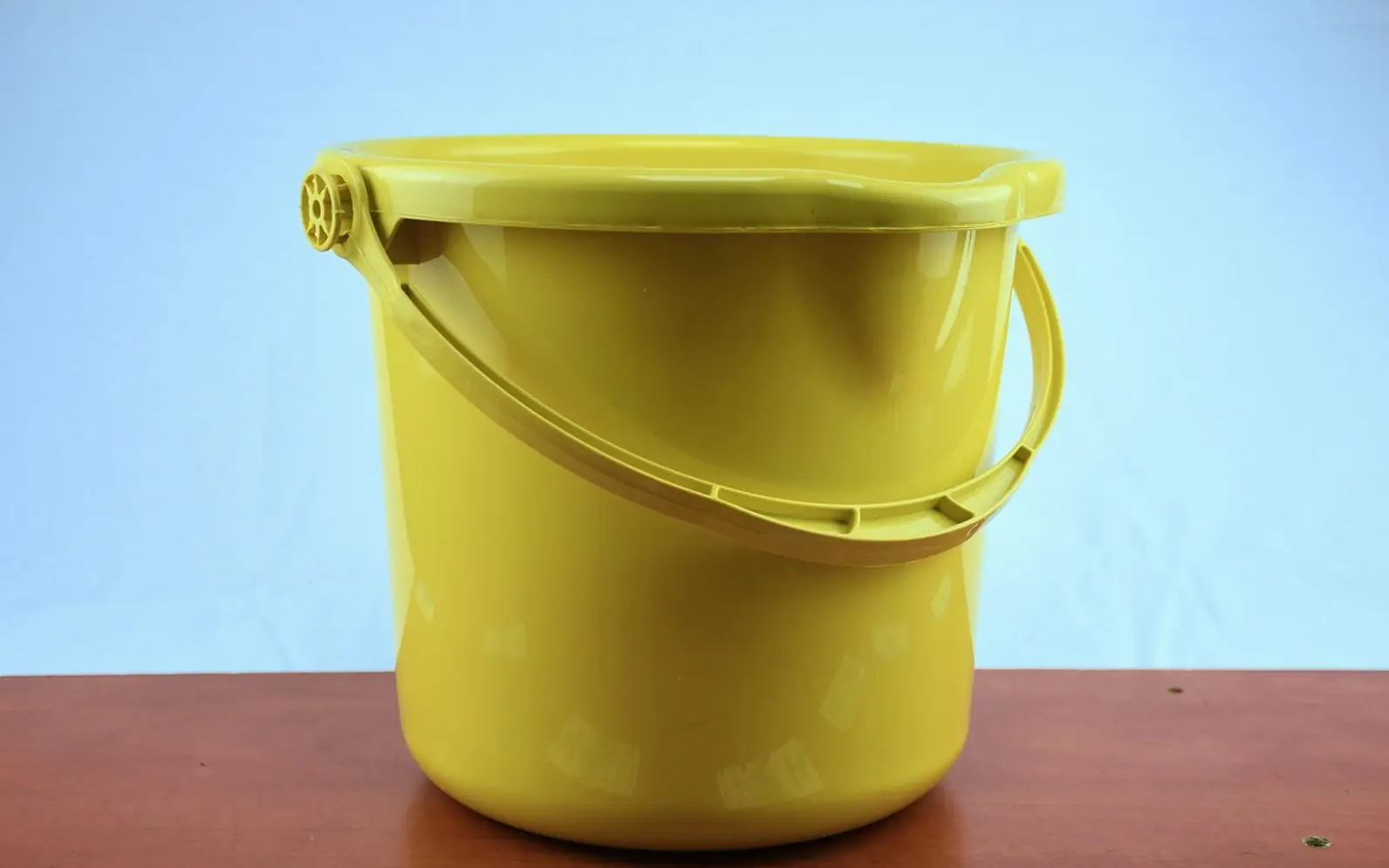
- Two buckets: one of warm soapy water, one of clean rinse water
- Bike-specific cleaner or a mild dish soap
- A large soft brush or sponge for the frame
- A stiff brush for tires and an old toothbrush for tight spots
- A degreaser that is safe for bike components
- Clean rags or microfiber cloths
- Chain lube suited to your riding conditions
- Optional: a repair stand, a hose with a gentle spray nozzle, gloves
Step by step
- Set up. Put the bike in a stand or lean it securely. With disc brakes, keep sprays, soaps and degreaser away from rotors and pads; with rim brakes, keep degreaser off the rims.
- Rinse. Soften dried mud with a gentle hose spray or a wet sponge. Never aim a pressure washer at hubs, the headset or the bottom bracket, because it drives water past the seals.
- Degrease the drivetrain. Apply degreaser to the chain, cassette, chainrings and derailleurs, leave it briefly, scrub with a brush, then rinse. For a deeper method, follow our guide to cleaning a bike chain.
- Wash the frame. Work from the top down with the soapy sponge: handlebar, top tube, down tube, fork, then the stays.
- Clean the wheels. Scrub tires and spokes and wipe the rims. Spin each wheel and look for cuts or embedded glass in the tread.
- Rinse again with clean water from the second bucket or a light spray.
- Dry. Bounce the bike gently to shake off water, then wipe it down, paying attention to the chain and bolts.
- Lubricate. Turning the cranks backward, put one drop of lube on each chain roller, let it soak in, then wipe the excess off the outside of the chain.
- Test the brakes with a firm squeeze and a slow roll before you ride.
Cleaning a bike without a hose
In an apartment, the bucket method does the job. Lay an old towel or shower mat under the bike, use a spray bottle of diluted bike cleaner, and wipe rather than flood. Waterless cleaning sprays lift light dust from the frame between proper washes. Do the greasy drivetrain work over a tray or a flattened box, and keep a rag ready for drips. Some riders take the wheels off and scrub them in the shower tray, which keeps the mess in one place.
Once the bike is clean, a mat and a good parking spot keep it that way; how to store a bike in an apartment covers the options.
Mountain bikes and muddy rides
- Rinse soon after the ride, before the mud sets hard.
- Wipe fork stanchions and shock seals with a clean, soft cloth.
- Check pivot bolts and tire sidewalls for damage while everything is visible.
- Keep strong jets well away from suspension seals, pivots and bearings.
Common mistakes
| Mistake | Why it matters | Instead |
|---|---|---|
| Pressure washer up close | Forces water and grit into bearings | Gentle hose spray or buckets |
| Spraying lube or polish near brakes | Contaminated pads lose stopping power | Cover rotors and apply lube drop by drop |
| One sponge for chain and frame | Spreads grease over the paint | Separate brushes for oily parts |
| Too much lube | Excess attracts dirt | Wipe the outside of the chain after applying |
| Skipping the drying | Rust on the chain and bolts | Dry and lube straight after washing |
The wash as a quick inspection
Cleaning puts your hands on every part of the bike, so it doubles as a safety check. Look for worn brake pads, frayed cables, loose bolts, cracks near welds and worn or cut tires. A tire with a deep cut is an invitation for punctures; replace it, and keep our guide to fixing a flat bike tire handy. Anything structural that looks wrong, such as a crack in the frame or fork, is a job for a bike shop before the next ride.
Questions about washing a bike
Is dish soap safe on a bike?
A mild dish soap diluted in warm water suits most frames. Rinse well, since some soaps leave a film.
Should I polish or wax the frame?
A bike polish can help dirt slide off next time. Keep it well away from brake surfaces.
How often should the chain be cleaned?
Wipe it after most rides and give it a proper clean when it looks dark and gritty or starts to sound noisy.
Keeping lists useful
How to make a checklist you will actually use
A list only helps if it is short enough to read and close enough to grab.
Keep it near the job
Tape the ride check inside the garage door and the movie list beside the remote.
Fewer lines
If a list runs past a dozen items, split it into two smaller ones.
Verbs first
Start each line with an action, such as squeeze, test or pack, so it reads as a task.
Review each season
Lights matter more in winter and sunscreen more in summer, so update the list when the clocks change.
Topic by topic
Lifestyle
- IVG Pro Pods: A Close Look at Flavor Accuracy, Convenience, and Everyday Reliability
- Smart, Clean, On Schedule: Container Service That Helps Small Businesses Thrive
- Choosing The Right Photo Booth Hire For Weddings, Birthdays, And Corporate Events
- Thoughtful Gifting: Etiquette and Cultural Notes for Ordering from an Online Flower Delivery Shop