Birdwatching for Beginners: Gear, Habits and First Birds
- Set off
- Length
- 4 min read
- Number
- 38
Birdwatching starts with noticing. Eyes and ears are enough to begin; a pair of binoculars and a field guide for your region make it far easier to put a name to what you see. Start close to home, learn the common species first, and the unusual visitors will soon stand out on their own.
What you actually need
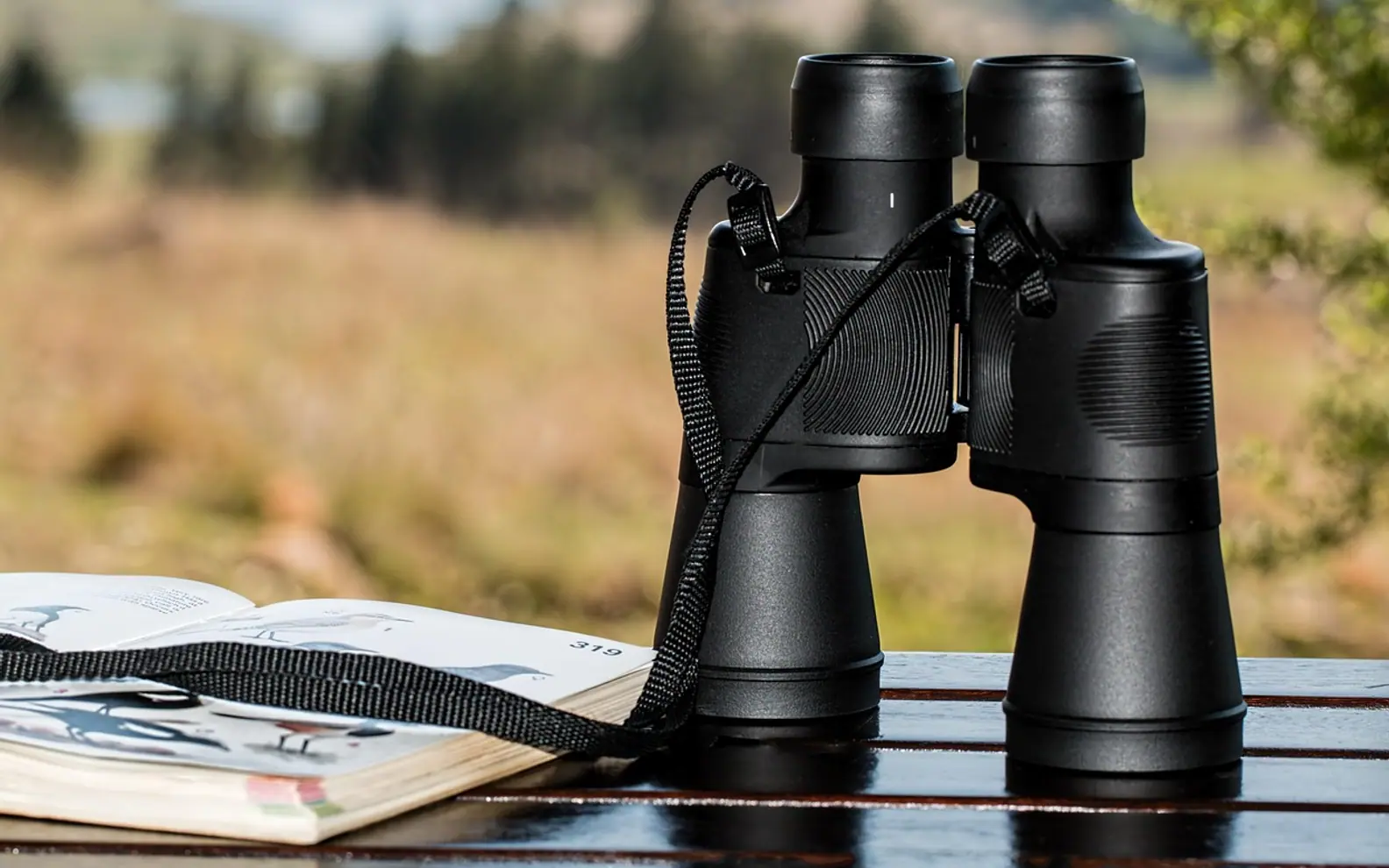
- Binoculars. Models marked 8x (eight-times magnification) are a popular all-round choice, because the image is steady and wide enough to find a moving bird quickly. Try a pair before buying if you can, and check that it focuses close enough for birds at a feeder.
- A regional field guide. A guide covering only your part of the world keeps the choices manageable. Illustrated guides show typical field marks side by side.
- A notebook or notes app. Record date, place, weather and anything you could not identify.
- Muted clothing and quiet shoes. Bright colors and rustling fabrics make birds wary.
A camera or a spotting scope can wait until you know what kind of watching you enjoy most.
Where to start looking
Your own window or yard is the easiest classroom. Regular visitors let you study the same species again and again, in different light and seasons. From there, widen the circle:
- Local parks, cemeteries and riverbanks
- Edges where two habitats meet, such as woodland beside a meadow
- Lakes, marshes and coastlines for waterbirds and shorebirds
- Quiet multi-use paths; a converted railway corridor often passes hedges, wetlands and woods within a short walk or ride, as described in our piece on rail trails
When birds are easiest to see
Early morning is usually the liveliest time, when many songbirds feed and sing. Activity tends to drop in the heat of the day and picks up again toward evening. Spring and fall migration bring species that do not stay all year, so the same park can feel completely different from one month to the next.
How to identify a bird
Beginners often go straight to color, but color shifts with light, age and season. A steadier method works through several clues in turn:
- Size and shape. Compare with birds you already know: smaller than a sparrow, about robin-sized, as big as a crow? Note the bill, the tail length and the overall build.
- Behavior. Does it hop or walk, cling to tree trunks, hover, wade, flick its tail?
- Habitat. A bird in reeds, on open water or high in a conifer shortens the list straight away.
- Field marks. Wing bars, eye rings, stripes on the head, a pale patch on the rump.
- Sound. Songs and calls identify many birds before they are even in view.
Write down what you saw before opening the guide. Memory bends quickly once you start leafing through pictures.
Learning birdsong
Ears often find birds that eyes miss. Pick one common singer near your home and learn it well, then add another. Turning a song into words or a rhythm helps many people remember it. A short recording on your phone lets you compare the sound later with reference recordings in a guide or app.
Good habits and birding ethics
- Keep a respectful distance. If a bird stops feeding or keeps watching you, you are too close.
- Stay away from nests, and never pull back vegetation for a better view.
- Use recorded calls sparingly, if at all, and never near nests in the breeding season.
- Follow access rules on reserves and private land, and stay on the paths.
- Clean feeders and birdbaths regularly to limit the spread of disease.
Beginner mistakes to skip
| Mistake | Better approach |
|---|---|
| Chasing rarities straight away | Learn the common species well; unusual birds stand out once you do |
| Searching through the binoculars | Keep your eyes on the bird and lift the binoculars into your line of sight |
| Moving constantly | Stand still for a few minutes; birds return when things go quiet |
| Relying on color alone | Check shape, behavior, habitat and sound as well |
Questions new birders ask
Do I have to keep a list?
No, though plenty of people enjoy a simple yard list or year list. It turns casual walks into small surveys and shows how the seasons change what turns up.
Is it a good family hobby?
Very much so. Children often spot movement quickly, and counting birds at a feeder fills a rainy afternoon. Pair it with an outdoor game such as geocaching for a day out with two goals.
Can I combine birding with cycling?
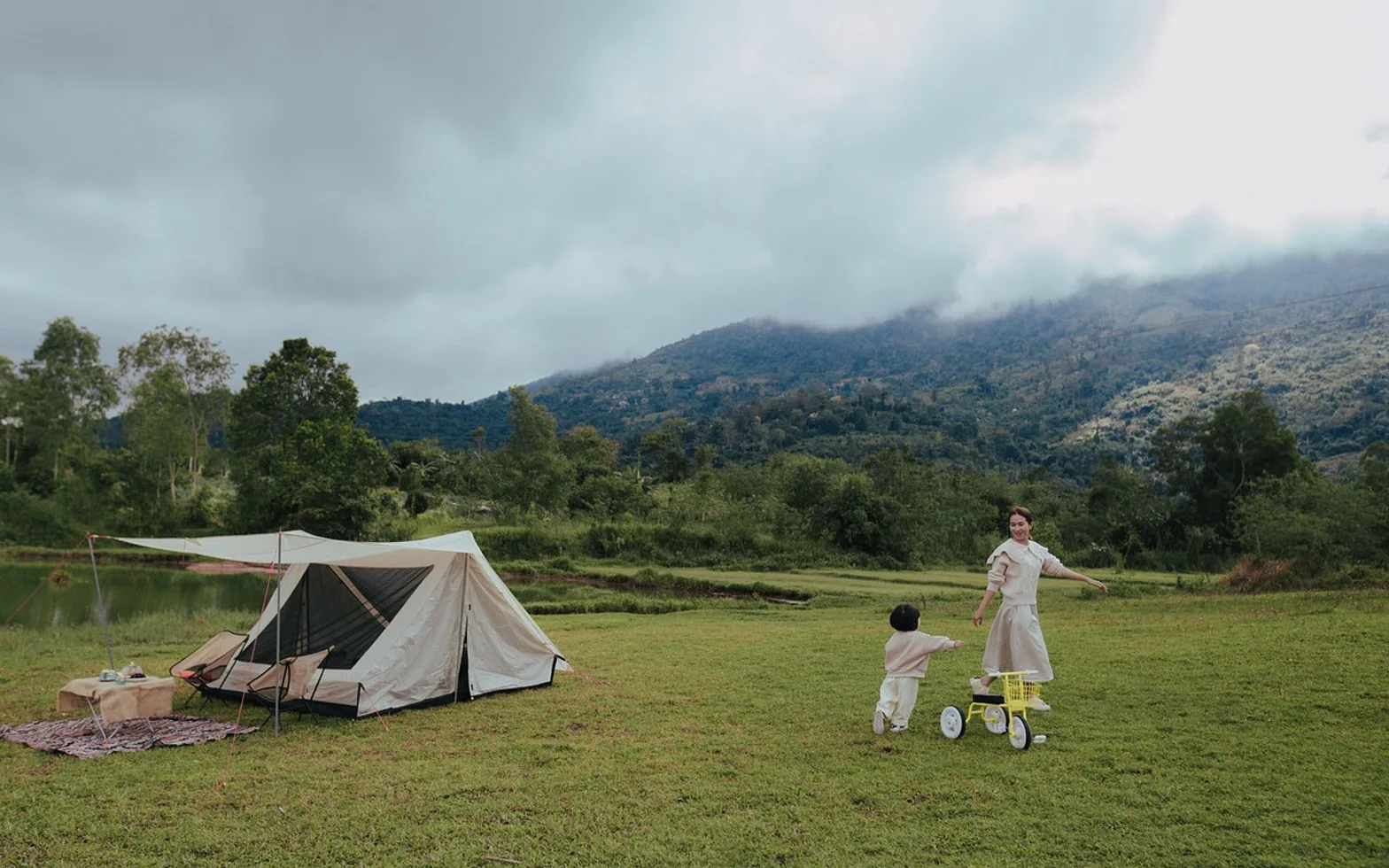
Yes. A bike covers more ground between quiet spots, and a short overnight trip, as in our guide to bike camping for beginners, puts you in the right place for the dawn chorus.
How do I meet other birders?
Local bird clubs, nature centers and park groups often run guided walks for newcomers. Walking with experienced birders is one of the quickest ways to learn calls and local hotspots.
Keeping lists useful
How to make a checklist you will actually use
A list only helps if it is short enough to read and close enough to grab.
Keep it near the job
Tape the ride check inside the garage door and the movie list beside the remote.
Fewer lines
If a list runs past a dozen items, split it into two smaller ones.
Verbs first
Start each line with an action, such as squeeze, test or pack, so it reads as a task.
Review each season
Lights matter more in winter and sunscreen more in summer, so update the list when the clocks change.
Topic by topic
Lifestyle
- IVG Pro Pods: A Close Look at Flavor Accuracy, Convenience, and Everyday Reliability
- Smart, Clean, On Schedule: Container Service That Helps Small Businesses Thrive
- Choosing The Right Photo Booth Hire For Weddings, Birthdays, And Corporate Events
- Thoughtful Gifting: Etiquette and Cultural Notes for Ordering from an Online Flower Delivery Shop